

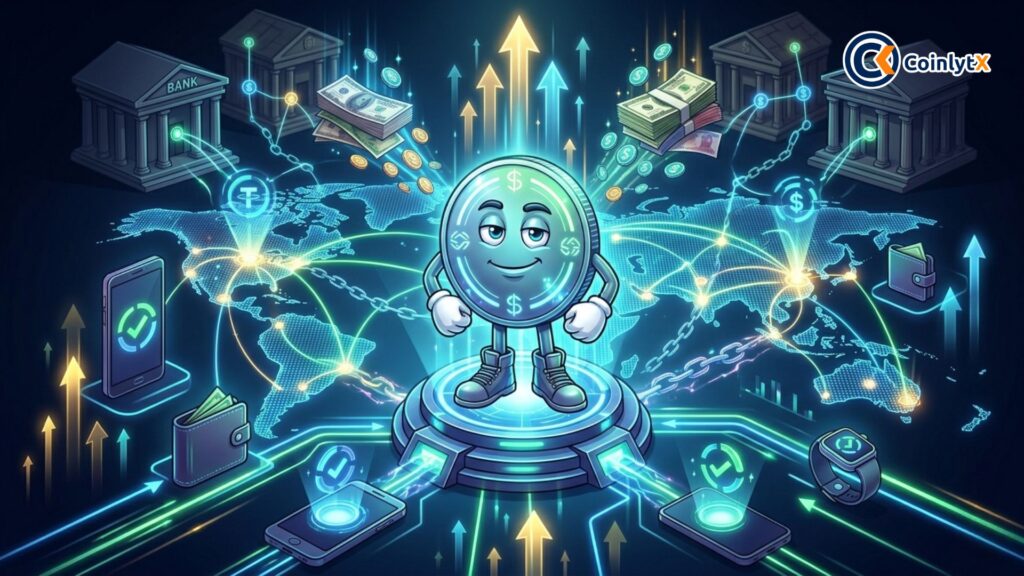
Stablecoins are no longer just tools for crypto traders. They are becoming an important part of the global payments system.
In 2026, stablecoins are helping businesses, banks, and users move money faster, cheaper, and more efficiently across borders.
What Are Stablecoins?
Stablecoins are digital assets linked to traditional currencies like the U.S. dollar.
Popular examples include USDC and Tether. Unlike other cryptocurrencies, they are designed to keep a stable value, making them useful for payments instead of speculation.
Why Stablecoins Are Growing in Payments
1. Faster Cross-Border Transfers
Traditional international payments can take days and often include high fees. Stablecoin can settle transactions within minutes, making global payments much easier.
This is especially useful for freelancers, remote workers, and businesses sending payments internationally.
2. Lower Transaction Costs
Banks and payment providers often charge significant fees for cross-border transfers. Blockchain-based stablecoin payments can reduce those costs, which is attracting businesses and financial institutions.
3. 24/7 Payment Infrastructure
Traditional banking systems have limits, holidays, and processing hours. Stablecoins run on blockchain networks that operate 24/7, allowing payments anytime.
Stablecoins as Global Payment Rails
Many experts now see stablecoins becoming payment rails, the infrastructure that moves money globally.
Instead of relying only on old banking systems, companies can use blockchain networks for settlements, remittances, and merchant payments.
Major payment companies and financial institutions are exploring how stablecoins can improve global transactions.
Why Businesses Are Interested
Businesses like stablecoins because they offer:
• Faster settlements
• Lower costs
• Global accessibility
• Better liquidity movement
• Efficient treasury management
For global commerce, these benefits are becoming hard to ignore.
The Role of Blockchain in This Growth
Blockchain makes stablecoins transparent, programmable, and efficient. Smart contracts can automate payments, payroll, and settlements.
This is why many see stablecoins as a bridge between traditional finance and Web3.
Challenges Still Remain
Even with growth, challenges exist:
• Regulation uncertainty
• Compliance requirements
• Security risks
• Network scalability
• Adoption barriers
Governments and regulators are working on rules that could shape the next phase of stablecoin growth.
What This Means for Web3
Stablecoins may become one of the biggest drivers of blockchain adoption.
While many people entered crypto through trading, many may enter Web3 through payments.
That shift could make stablecoins one of the most practical use cases in blockchain today.
Conclusion
Stablecoins are moving beyond crypto trading and becoming global payment infrastructure. With faster transactions, lower fees, and growing institutional interest, they may help reshape how money moves worldwide. In 2026, stablecoins are not just a crypto trend they are becoming a serious part of the future of finance.