

Quick Takeaways
- Stablecoin yield rules remain the bountiful obstacle to devolve crypto lawmaking in 2026.
- Trump’s crypto ties have stepped up Democratic scrutiny and ethical code debates.
- Industry insiders judge passageway odds between 25% and 60%.
The clock is ticking for wholesale U. S. crypto legislation in 2026. Industry leaders remain sharply divided on whether Congress can deliver. Sources close to negotiations say two major issuance block progress. Lawmakers differ on stablecoin fruit handling and Trump-related ethics concerns.
If passed, the crypto market structure bill would clear up jurisdiction between the SEC and CFTC. It would also preface new disclosure standards and compliance rules. Ron Hammond, principal of policy at Wintermute, poses the odds of passage at 25%. Others in the diligence remain more optimistic.
Kevin Wysocki of Anchorage Digital judges a 50% chance. Another source familiar with public lectures suggested the odds could make 60%. Despite varying estimates, the impulse sustained slowed.
Stablecoin Yields Spark Battle Between Banks and Crypto Firms
Stablecoin rewards have become the central flashpoint in negotiations. Banks argue that allowing yield-bearing stablecoins could drain deposits.
Banking groups oppose expanding rewards beyond the existing GENIUS Act framework. That law bars issuers from paying direct interest to holders.
However, it does not prohibit third-party platforms from offering rewards. Exchanges like Coinbase can still provide incentives.
Banks recently met crypto representatives at the White House. It marked their second meeting this month.
During discussions, banks proposed stricter limits on rewards. Their principles go beyond the latest Senate draft.
A previous Senate Banking Committee version banned passive interest. It allowed narrower activity-based incentives.
Crypto stakeholders strongly pushed back. One source said industry representatives “dug in” during negotiations.
Industry meetings now occur almost daily. Lawmakers appear unwilling to advance the bill without resolving yield rules.
“There needs to be a deal,” one source said. “The conversation must move to actual text.”
Wysocki argued banks need clarity as much as crypto firms. He said if banks want tighter rules, they must support a comprehensive bill.
Without compromise, Republican support may stall.
Trump’s Crypto Ties Complicate Bipartisan Support
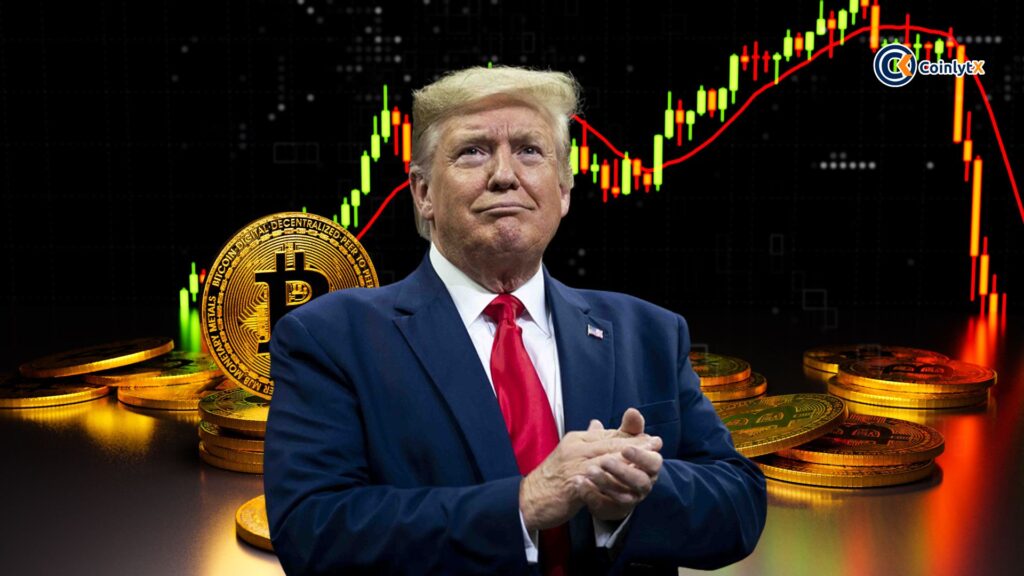
Beyond policy disputes, ethics concerns loom large. President Donald Trump’s involvement in crypto ventures has fueled Democratic resistance.
Bloomberg estimates Trump earned roughly $1.4 billion from crypto-related businesses. The Trump family also holds a stake in mining firm American Bitcoin.
Democrats have questioned whether conflicts of interest influence regulatory decisions. SEC Chair Paul Atkins faced intense questioning this week.
The Senate Banking Committee hearing could signal where Democrats stand. Hammond said the session will be closely watched.
Some lawmakers argue that ethics language belongs in a separate committee. Senate Banking Chair Tim Scott suggested routing concerns elsewhere.
However, Democratic skepticism remains strong. Last month, no Democrats supported a crypto bill in the Senate Agriculture Committee.
Midterm elections further complicate negotiations. Crypto-focused political action committees are raising millions ahead of campaign season.
Hammond warned that crypto policy may become campaign material. Political messaging could delay bipartisan cooperation.
What Happens Next in Washington?
The bill’s immediate fate rests with the Senate Banking Committee. A scheduled markup last month was abruptly pulled.
Coinbase withdrew support for the draft, forcing lawmakers to revisit the language. A revised draft may appear before the next markup session.
That vote could happen in March. Industry participants are closely reviewing potential changes.
Committee leaders will not bring the bill to the Senate floor without 60 votes. That threshold remains uncertain.
Even if the Senate passes a bill, the House must reconcile versions. The House approved its own framework last summer.
It remains unclear which draft would move forward. Negotiations could stretch well into the election season.
Blockchain Association CEO Summer Mersinger declined to estimate odds. However, she emphasized bipartisan engagement.
“Our members are fully engaged with lawmakers,” she said. “We aim to deliver workable legislation in 2026.”
Clock Is Ticking on 2026 Crypto Legislation
Time insistency proceeds to construct in Washington. Lawmaker front narrowing legislative windows before campaign politics dominate.
Stablecoin yield patterns require compromise between banking companies and crypto firms. Trump-related ethics concerns require political consensus.
Without resolution on both fronts, the crypto market social organisation Eyeshade may stall.
For digital asset diligence, clarity persists. Regulatory precariousness continues to weigh on long-term planning.
Industry leaders know 2026 could define the next epoch of U. S. crypto oversight.
Whether Congress can overcome division is the central query. Immediately, the termination hangs in the balance.