

Quick Takeaways
- The United States has officially withdrawn from the WHO after a year-long exit process.
- The move ends nearly 80 years of US involvement in global health governance.
- The decision renews disputation around faith in centralised insane asylums and alternatives.
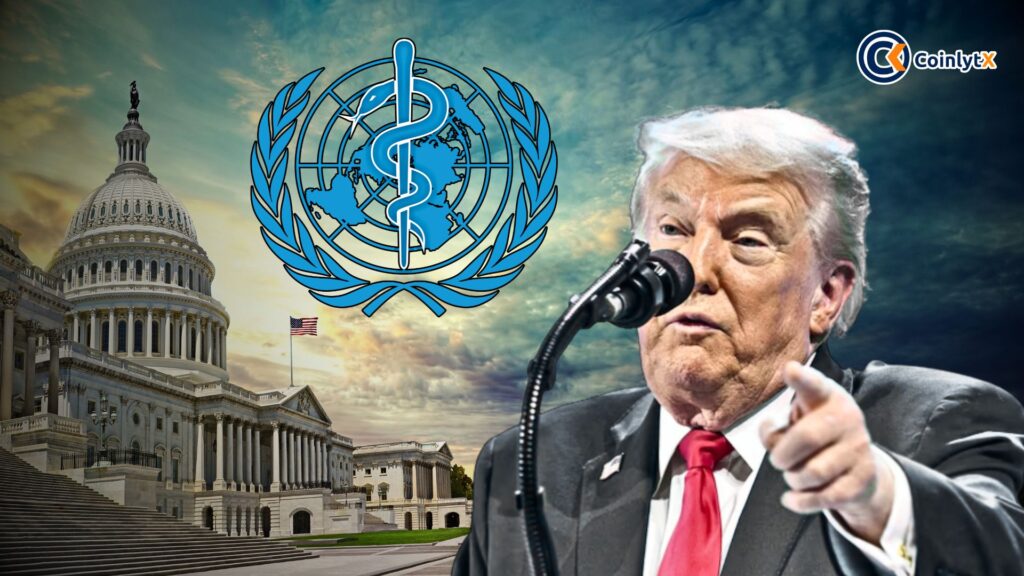
The United States has formally withdrawn from the World Health Organization. The movement ended a relationship that had lasted nearly 80 years. US officials confirmed the way out on Thursday. The decision followed a mandatory one-year onanism process.
The departure has sparked global concern over pandemic preparedness. It has also renewed debate around centralized global institutions.
How the US Exit From WHO Was Finalized
Former President Donald Trump initiated the withdrawal in January last year. He signed an executive order to begin the formal process.
WHO rules require members to give one year’s notice before leaving. That timeline concluded this week.
The Biden administration chose not to reverse the decision. Officials confirmed the withdrawal would proceed as planned.
Trump repeatedly accused the WHO of mismanaging the COVID-19 pandemic. He also criticized the group for failing to implement reforms.
US officials argued that American funding outweighed its influence. The US was the WHO’s largest single contributor.
Washington still owes more than $130 million in unpaid dues. Those obligations stem from 2024 and 2025 assessments.
Global Health and Institutional Fallout
Public health experts have admonished the decision could weaken global disease monitoring. The WHO coordinates outbreak surveillance across borders.
Lawrence Gostin of Georgetown University called the move annihilative. Warned that the US would lose access to critical early warning systems.
The WHO also supports vaccination and emergency response programs. Repressing US involvement rarifies global coordination.
WHO Director-General Tedros Adhanom Ghebreyesus criticised the exit. He traces it as a release for global public health.
The arrangement, like a shot, faces a major backing gap. The US previously passed over nearly 25% of its $5. 8 billion budget.
Why the Decision Resonates in Crypto Circles
The WHO exit is not a crypto policy decision. Still, it resonates within digital asset communities.
Crypto adoption often rises during institutional stress. Financial crises and political exits drive interest in alternatives.
Decentralized systems reduce reliance on single authorities. Blockchain networks operate without centralized control.
Crypto advocates argue decentralization improves transparency and resilience. These ideas gain traction during trust breakdowns.
Health governance differs from finance. Yet both depend on coordination and credibility.
The US withdrawal highlights growing skepticism toward centralized global bodies.
Centralization Versus Decentralization Debate Grows
Critics debate that global instauration actuate slow during crises. Political pressure sensation often shapes decisions.
A decentralized system strives to polish off a single detail of failure. They rely on distributed participation and open rules.
Blockchain technology already supports identity, data sharing, and financial support tools. Some projects research health data point use cases.
The WHO exit could accelerate interest in these experiments. Governments may test alternative coordination frameworks.
Crypto markets track such shifts closely. Policy fragmentation often impacts cross-border innovation.
What Comes Next for Global Cooperation
Trump officials read that the US would pursue alternative partnerships. Details persist limited.
Without WHO membership, the US influence over the ball-shaped health insurance policy is correct. Coordination during future pandemics may face friction.
The WHO still includes 193 member states of matter. Many drawing cards exhort Washington to reconsider.
For now, the departure signals a broader trend. Global cooperation comes out progressively fragmented.
As trust in centralizearrangementsnt weakendecentralizedate models gain ground and attention. Crypto is a persistent function of that evolving discussion.
The conclusion marks more than an insurance policy work shift. It may transfer attitudes toward authority and global governance.