
The digital world is evolving fast, and Web3 is becoming one of the biggest innovations shaping the future.
Powered by blockchain technology, Web3 is creating a decentralized internet where users have more control over data, digital assets, and online identities.
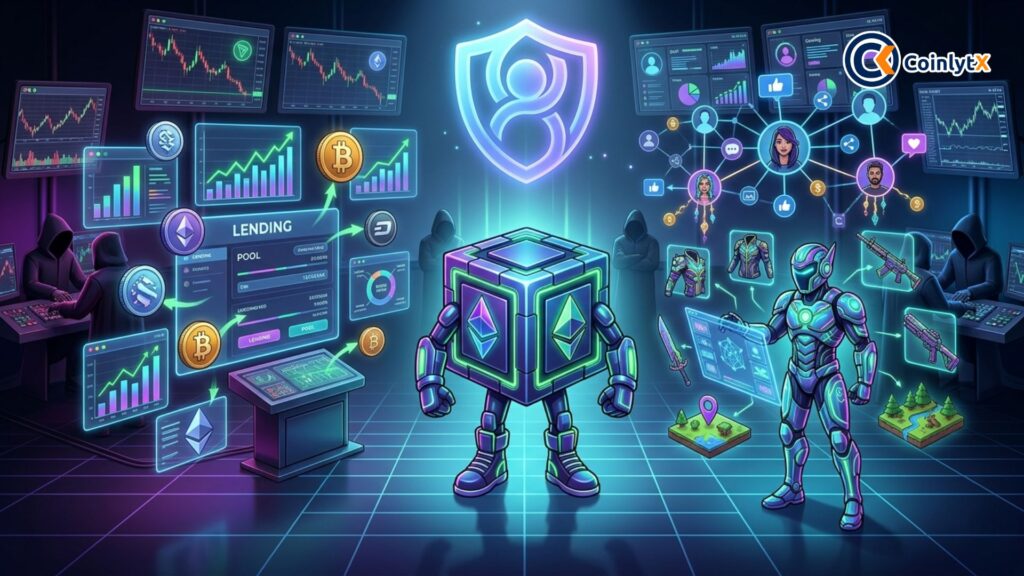
From finance to gaming and social media, Web3 use cases are transforming industries in ways many people never imagined.
What is Defi?
One of the strongest Web3 use cases in finance is decentralized finance, often called DeFi.
Instead of relying on traditional banks, users can lend, borrow, trade, and earn through blockchain-based platforms.
Smart contracts make these transactions automatic and transparent. This reduces intermediaries and gives users more financial freedom.
Many investors see DeFi as a major reason why blockchain adoption continues to grow.
Innovation in tokenized assets
Another powerful innovation is tokenization. Real-world assets like real estate, art, and even commodities can now be represented on blockchain as digital tokens.
This opens investment opportunities to more people and improves liquidity. As tokenized assets grow, they could become a major part of the future financial system.
Web3 gaming industry
Web3 gaming is another sector seeing massive transformation. Traditional games usually keep players locked inside closed ecosystems where in-game items have no value outside the platform.
Web3 gaming changes this by allowing players to truly own digital assets through NFTs and blockchain. Skins, characters, and virtual land can be bought, sold, or traded across marketplaces.
This concept of digital ownership is changing how players interact with games.
Play-to-earn models have also pushed Web3 gaming into the spotlight. Instead of spending money only for entertainment, players can earn rewards while playing.
This model has attracted gamers and investors alike, making blockchain gaming one of the fastest-growing parts of the Web3 ecosystem.
Social media’s grow web3
Social media is also being reshaped through Web3. Traditional platforms control user data, content distribution, and monetization.
Web3 social platforms aim to give that power back to creators and users. Through decentralized networks, creators can own their audience, avoid platform dependency, and monetize content directly through tokens or digital collectibles.
This creator economy model is gaining attention because it solves many problems seen in traditional social media, such as censorship concerns, algorithm control, and unfair revenue sharing.
For many experts, decentralized social media may become one of the most important blockchain applications in the coming years.
Digital identity of web3
Another growing trend is digital identity in Web3. Instead of relying on centralized platforms to manage logins and personal data, users can control their identities through blockchain wallets.
This improves privacy and gives people ownership of their digital presence.
Smart contracts remain the engine behind all these innovations. They power decentralized apps, automate agreements, and remove the need for middlemen.
As smart contract technology improves, more industries are likely to adopt Web3 solutions.
Conclusion
The future of Web3 looks increasingly connected with finance, gaming, and social media. What started as a blockchain experiment is now becoming a broader movement toward decentralization, ownership, and user empowerment. While challenges like regulation and scalability remain, the innovation happening in Web3 is difficult to ignore