

Quick Takeaways
- Global oil markets split up as Oman crude hits $167 while US petroleum stays near $97.
- Europe looks to originate inflation jeopardy as gas prices surge by over 30%.
- US water faucet strategic modesty, cutting reserve to 1980s-ERA lows.
The global oil food market is experiencing an unprecedented divide. Three calendar weeks into the Iran engagement, price disruption has let out sharply.
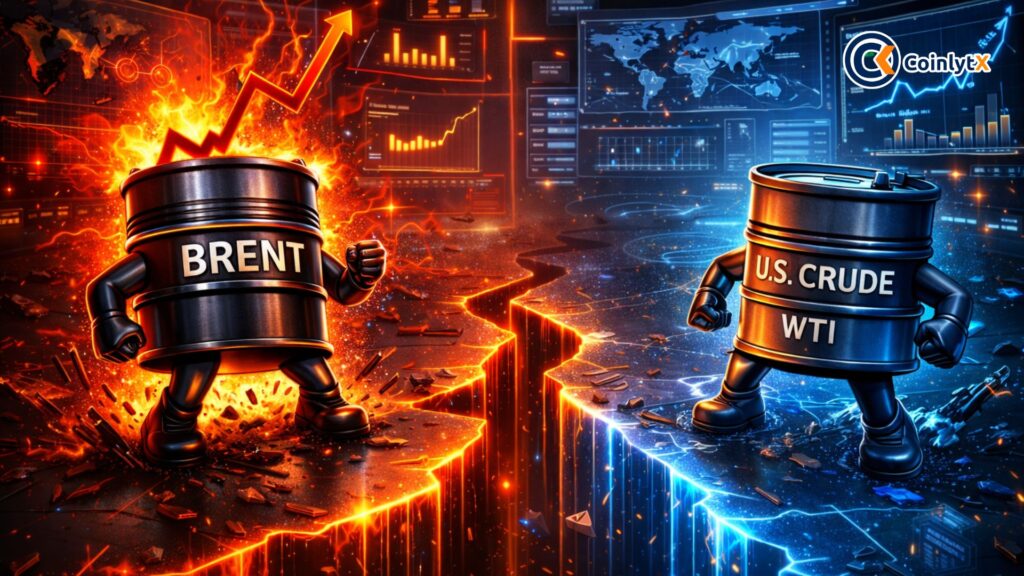
West Intermediate trades near $97 per barrel. Meanwhile, Oil in Oman has surged to a record $167 per barrel.
This creates a historical monetary value crack of over $70. Such divergence sustains no modern precedent in global energy markets.
The split reflects a deeper morphological imbalance. The United States operates with proportional energy independence.
In the dividing line, the grocery fight is with interrupted supply chains. This divide is remodelling how investors view energy risk.
Supply Shock Repel Historic Price Dislocation
The broader cold stanches from supply disruptions in key regions. The blockage of the Strait of Hormuz removed a major vegetable oil route.
Roughly 18% of the orbicular crude supply has been affected. International benchmarks reacted sharply to this disruption.
Omani oil surged to an extreme stratum, followed by Dubai and Brent. Brent crude goes up above $113 per barrel.
However, US oil prices persist relatively stable. Domestic production isolates the American market from global shocks.
The US makes nearly 13.7 million barrels per day. It likewise imports less than 8% of its oil from the Persian Gulf.
This structural advantage trammels exposure to geopolitical disruptions. As a result, spheric oil markets are now controlled in two separate systems.
Europe Look Inflation Shock as Energy Costs Surge
The free energy crisis has struck Europe and Asia the hardest. European natural gas prices surge more than 30%.
The spike comes from attacks on critical LNG infrastructure. Rising energy costs ride ostentatiousness concerns across the region.
Markets have rapidly adjusted expectations for monetary policy. European Central Bank rate baseball swing is no longer the base case.
Instead, traders like a shot expect two rate hikes in 2026. This is a sharp reversal from previous projections.
Higher energy costs often translate into blanket economic pressure. European policymakers now face a difficult reconciliation act.
They must grapple with pompousness without stalling economic growth. The situation highlights the global impact of regional conflicts.
US Energy Buffer Does With Growing Risks
The United States has responded aggressively to stabilize prices. Authorities give up rock oil from the Strategic Petroleum Reserve.
The move aims to offset supply disruptions and control inflation. However, this strategy comes up with significant trade-offs.
Reservations are projected to light to 1980s-era levels. Stockpiles may drop by 41% from recent levels.
This bequeaths the country with a reduced emergency buffer. Further sacrifice could limit future response options.
Policymakers must weigh short-term figure relief against long-term risk. The scheme may hold up, but not eliminate, upward air pressure on prices.
Market Outlook: Impermanent Gap or Structural Shift?
Analysts note that the current cost gap may not last. Global supply constraints could eventually affect US markets.
If the Strait of Hormuz is unsympathetic, inventories may tighten further. Atlantic watershed benchmark could reprice gamey over time.
This would reduce the gap between US and global oil prices. Inflation risks also remain elevated.
Estimates suggest US inflation could rise if high tolls persist. The energy marketplace remains extremely sensitive to geopolitical developments.
Investors are closely monitoring supply routes and policy responses. The situation underlines the fragility of global push systems.
What It Means for Global Markets and Crypto
The oil market water parting has a blanket conditional relation for fiscal markets. Rising VIMM price often puts pressure on risk assets.
Crypto markets have already evinced sensibility to macro shocks. Higher puffiness and tighter insurance policies can reduce liquidity.
This creates an ambitious environment for digital assets. At the same time, volatility may produce trading opportunities.
Investors are increasingly linking vigor trends with crypto performance. The current environment spotlights interconnected ball-shaped risks.
Conclusion: A Divided Energy World
The Iran conflict has created a rare split in planetary oil markets. The US enjoys relative stability due to domestic production.
Meanwhile, outside the market place front severe supply constraints. The $70 price disruption points to more than temporary volatility.
It signals a geomorphological divide in vitality access and resilience. However, this imbalance may not be sustainable.
As the armoury corrects, pressure sensation could circulate globally. For starters, markets persist in uncharted territory.
The fall weeks will decide whether this watershed widens or narrows.