

Quick Takeaways
- India and the US remain engaged in patronage talks despite duty stress and public disagreements.
- The new US ambassador emphasises strong personal ties between President Trump and PM Modi.
- Tariffs, agricultural access, and Russian oil remain fundamental obstacles to a last agreement.
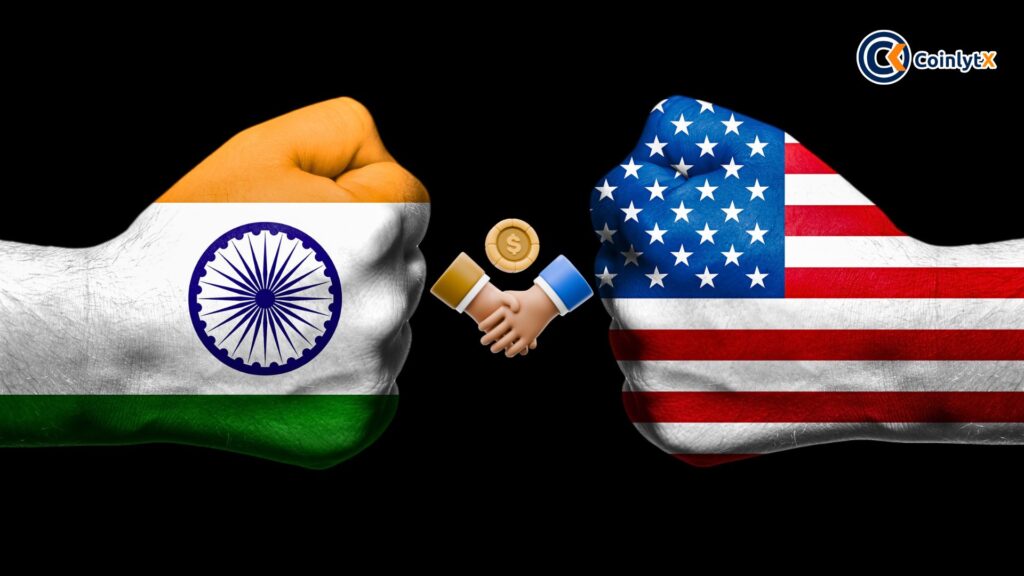
India and the United States remain actively engaged in trade talks, in line with the new US ambassador to India, Sergio Gor. Speaking during his first official visit to New Delhi, Gor pronounced that both sides continue to hold regular give-and-take talks to finalise a long-delayed agreement.
He affirmed that another call between the treaters was scheduled for Tuesday. Even so, he was correct to provide details on who would participate. Gor stresses that diplomatic participation stays strong. He described the relationship between Donald Trump and Narendra Modi as genuine and resilient.
Ambassador Signals Confidence in Bilateral Ties
At a welcoming ceremony in Delhi, Gor said India has “no partner more essential” than the United States. He added that the relationship could become the most consequential partnership of the century.
According to Gor, disagreements should not be mistaken for breakdowns. “Real friends can disagree and still resolve differences,” he told reporters.
The ambassador, besides, speaks to cooperation beyond trade. He prioritizes security, counterterrorism, energy, technology, the Education Department, and health.
Despite the positive tone, he recognises that trade lectures stay complex. India’s size and economic variety, however, make negotiations challenging but achievable.
Tariffs and Agriculture Remain Core Disputes
Trade relations have been strained since Washington imposed steep tariffs on Indian exports. In August, the US applied 50% duties on several Indian goods, the highest rate in Asia.
Some of the penalties were linked to India’s continued purchases of Russian oil. The motion escalates tensions between the two partners.
The US has likewise pushed for broader access to India’s agricultural markets. New Delhi has dissent, citing domestic political sensitiveness and Fannie Merritt Farmer protections.
India has consistently debated that agriculture remains a red line. Officials have pronounced open the sector could disrupt livelihoods across rural regions.
Disagreements Spill Into Public View
Recent comments from US officials have highlighted growing frustration in Washington. Some blamed India for delaying the agreement, a claim Delhi firmly rejected.
India’s foreign ministry interpreter, Randhir Jaiswal, said that both sides have come close to a deal several times.
He stressed that negotiations remain ongoing and constructive. Tensions ascend further after US Commerce Secretary Howard Lutnick hints talks stall due to a missed call between Modi and Trump.
India ordered that the verbal description was inaccurate. Despite these disputes, leaders from both commonwealths continue to speak periodically by phone. Diplomatic channels remain open.
Russian Oil Adds Another Layer of Complexity
Energy has become a sensitive issue in the negotiations. India emerged as a major buyer of Russian oil after Western nations imposed sanctions on Moscow.
New Delhi defended its position by citing energy security needs. Officials said affordable supplies were critical for its large population.
However, Washington has warned of higher tariffs if India does not scale back purchases. US Senator Lindsey Graham recently said Trump had approved a tough Russia sanctions bill.
If passed, the bill could impose secondary tariffs on countries trading with Moscow. India said it is closely monitoring developments.
Since tariffs took effect, Indian refiners have reportedly reduced Russian imports. That shift suggests trade pressure is influencing energy decisions.
Why the Deal Still Matters
Even with tensions, both sides of the meat take strategic value in an agreement. The US views India as a central economic and geopolitical partner in Asia.
India seeks expectant access to US markets and technology. A deal could also boost investor confidence amid world uncertainty.
Despite being among the first countries to get talks, India is nowadays among the final major economies without a US swap pact.
About a year after negotiations escalate, the final bank line remains elusive. Still, Gor’s comments signal finding kinda than retreat.For the market, marketplace, and policymakers, continued engagement proposes that compromise remains possible.
The outcome may not come in quickly. But both sides come along committed to keeping talks alive, even as dissonance persists.