

Quick Takeaways
- Fed officials remain split on delivering a final rate cut this year.
- Missing economic data complicates December’s key policy decision.
- Trump pressures the central bank as Powell urges caution.
Fed Faces Deep Division Ahead of Final Rate Decision
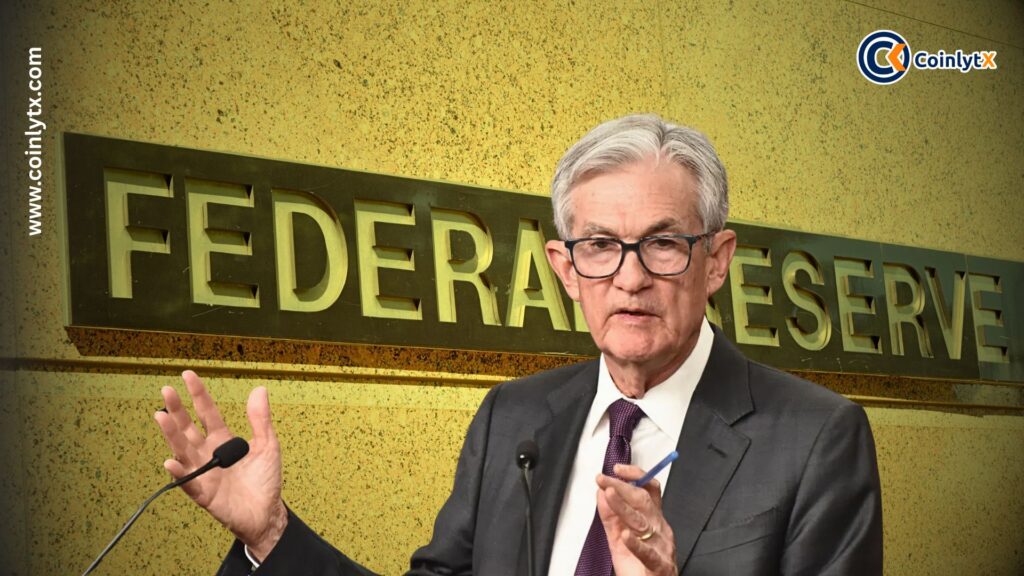
The Federal Reserve enters its last meeting of the year with rising internal disagreement. Officials remain split on whether to approve a third interest-rate cut.
Rates now sit between 3.75% and 4%, after two cuts in September and October.
The committee began easing policy last fall, but many members resisted further action for months due to tariff-driven uncertainty.
Markets expect a final cut this Wednesday, though it remains unclear if enough members support the move.
Missing Data Leaves Policymakers With Limited Visibility
The six-week government shutdown created a major blind spot. The Bureau of Labor Statistics halted operations, leaving the Fed with incomplete economic data.
October numbers were never collected, and November’s inflation and labor figures arrived too late for the meeting. This divergence complicates the Fed’s mandate. Inflation rose from 2.3% in April to 3% by September.
Unemployment rose from 4% in January to 4.4% in September, indicating strain on both aspects of the mandate.
Jerome Powell says officials must tread carefully. He described the situation as “driving in the fog,” noting the need to slow down.
Powell Urges Caution as Political Pressure Mounts
Powell argues the Fed has “one tool” and must balance risks in real time. Some officials prioritize stabilizing prices.
Others worry that high rates will cause further damage to the job market.
External pressure adds to the tension. Multiple reports show Donald Trump is considering Kevin Hassett, a close adviser, as the next Fed chair.
Powell’s term ends in May, creating political stakes around every policy decision.
Hassett supports deeper cuts and argues that tariffs strengthen the U.S. economy.
Trump believes lower rates will boost growth without triggering higher prices.
Markets Brace for Wednesday’s High-Stakes Outcome
The Federal Open Market Committee convenes for its session this week. The verdict, from the 12 voting members, will be declared on Wednesday afternoon.
Investors anticipate a concluding reduction. The Fed’s internal division renders the result unclear. Powell’s careful tone implies the committee might favor maintaining stability over taking a bold action.
Should the Fed lower rates, more markets might view it as an indication of assurance for sustained growth. If the committee holds steady, it may highlight concerns about limited data and rising inflation. Either way, the meeting closes a turbulent year shaped by political shocks, missing statistics, and conflicting economic signals.
The Fed now must deliver clarity in one of its most difficult policy environments in years.